Server-side tracking vs client-side tracking: The Ultimate Comparison for 2026
If you are a business owner or a digital marketer, you have likely heard the terms server-side tracking vs client-side tracking quite often recently. For years, we relied on simple browser-based pixels to track our sales. But as privacy laws change and ad blockers become standard, that old way is failing. Understanding the shift in server-side tracking vs client-side tracking is no longer just for developers; it is essential for anyone who wants to run profitable ads.
In this guide, we will break down the differences in server-side tracking vs client-side tracking. We will look at why one is dying and why the other, powered by platforms like ServerTrack.io, is becoming the new standard. By the end of this article, you will know exactly why moving to a server-side model is the best decision you can make for your marketing budget.
What is Client-Side Tracking?
To understand the debate of server-side tracking vs client-side tracking, we must first look at the traditional method. Client-side tracking, often called browser tracking, happens directly on the user's device. When a person visits your website, a piece of JavaScript code (like the Facebook Pixel) runs in their browser. This code collects data and sends it directly to platforms like Facebook or Google.
For a long time, this was the perfect solution. It was easy to set up and required almost no server power. However, because it happens in the browser, it is highly visible. This visibility is exactly what makes it vulnerable in the modern age of server-side tracking vs client-side tracking.
The Problems with Client-Side Tracking Today
The reason everyone is talking about server-side tracking vs client-side tracking is that the client-side is breaking. Here are the three main killers of browser-based tracking:
- Ad Blockers: Millions of people use ad blockers. These tools stop tracking scripts from even loading. If the script doesn't load, you lose the data.
- iOS Privacy (ATT): Apple's updates allow users to block tracking with one tap. This has created a massive hole in Facebook and TikTok reporting.
- Cookie Restrictions: Browsers like Safari and Chrome are killing third-party cookies. This makes it impossible to track a customer across multiple days.
When your data is missing, your ad platforms cannot optimize. You end up spending more money to get fewer sales. This is why the industry is moving rapidly toward the "server" in the server-side tracking vs client-side tracking battle.
What is Server-Side Tracking?
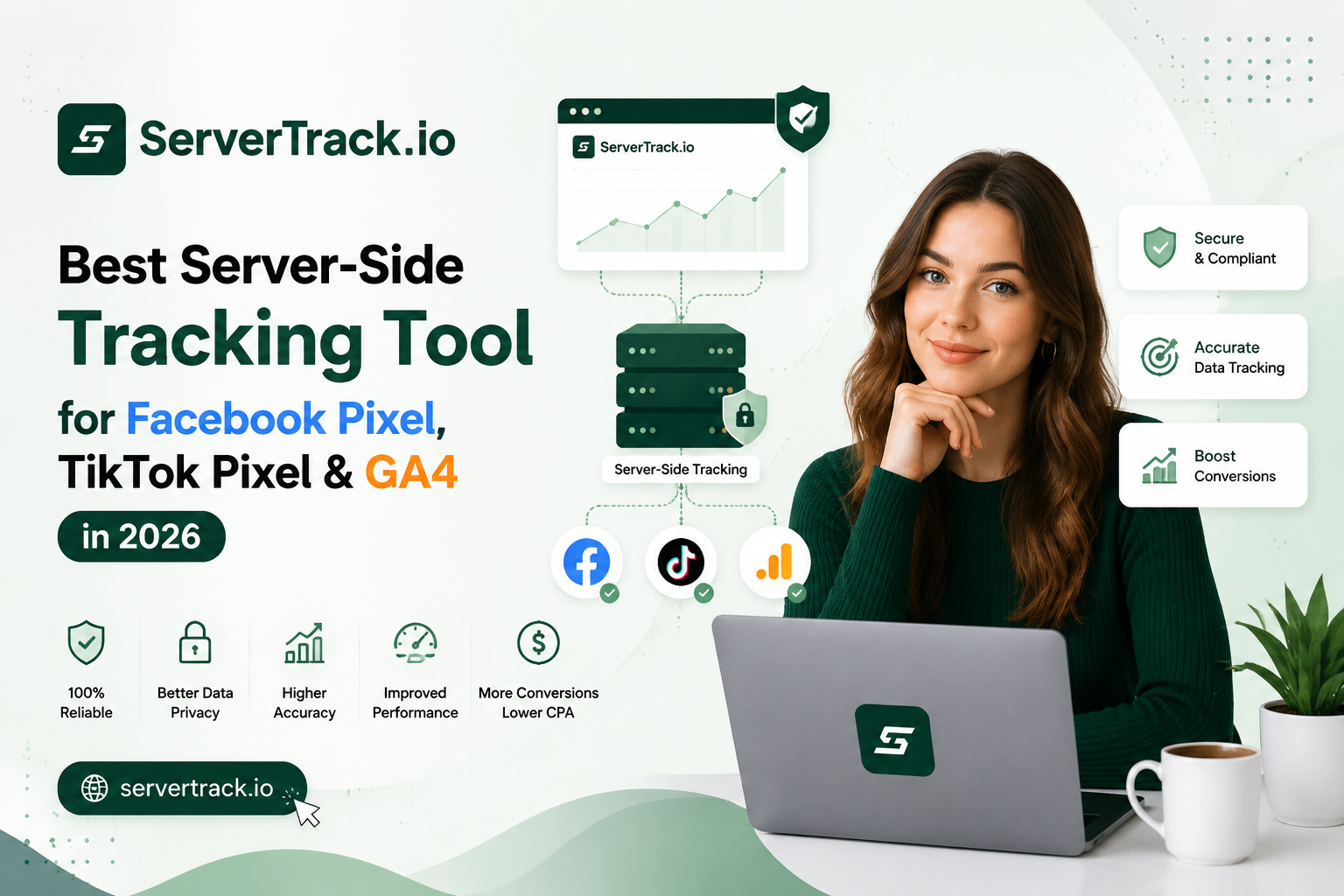
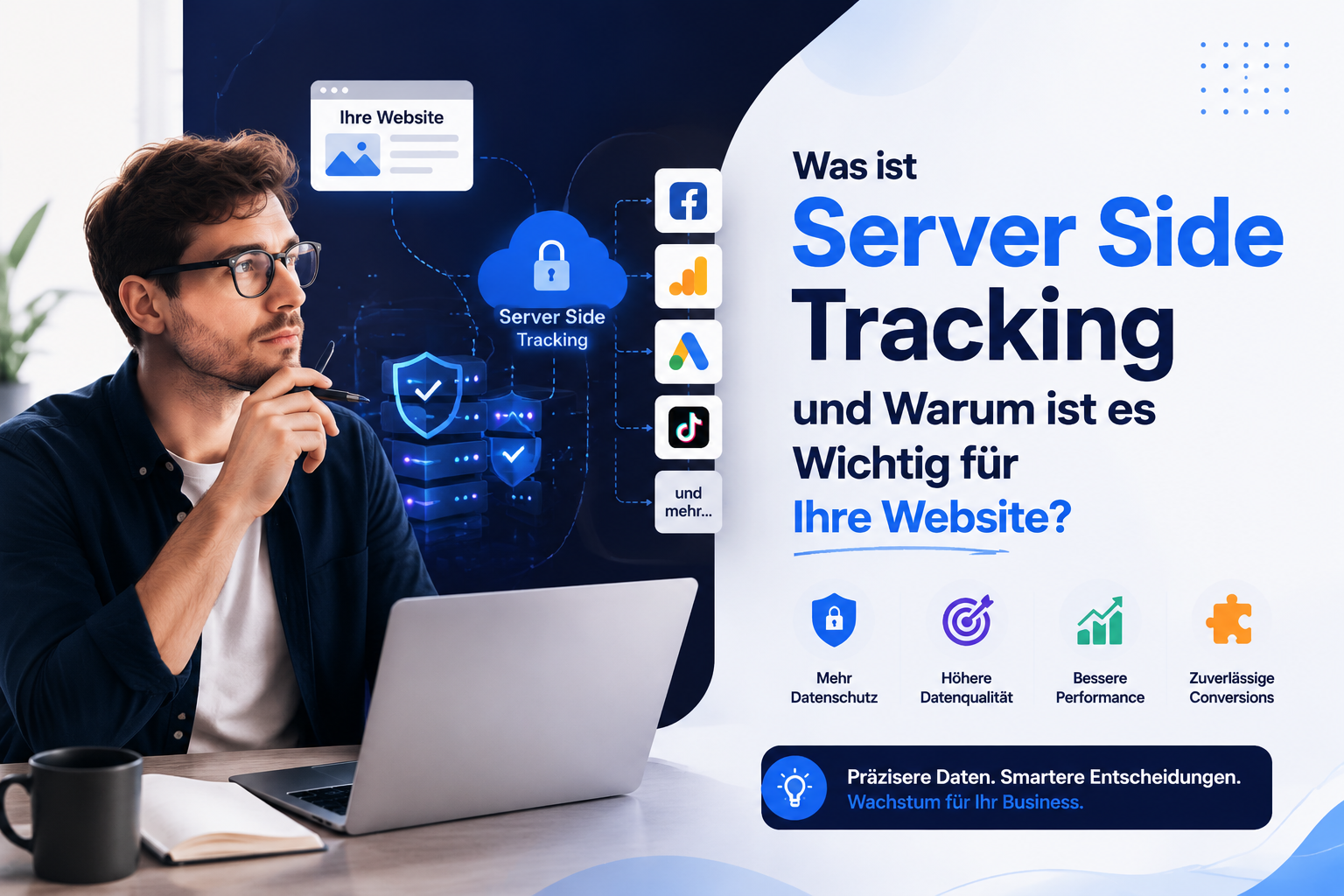
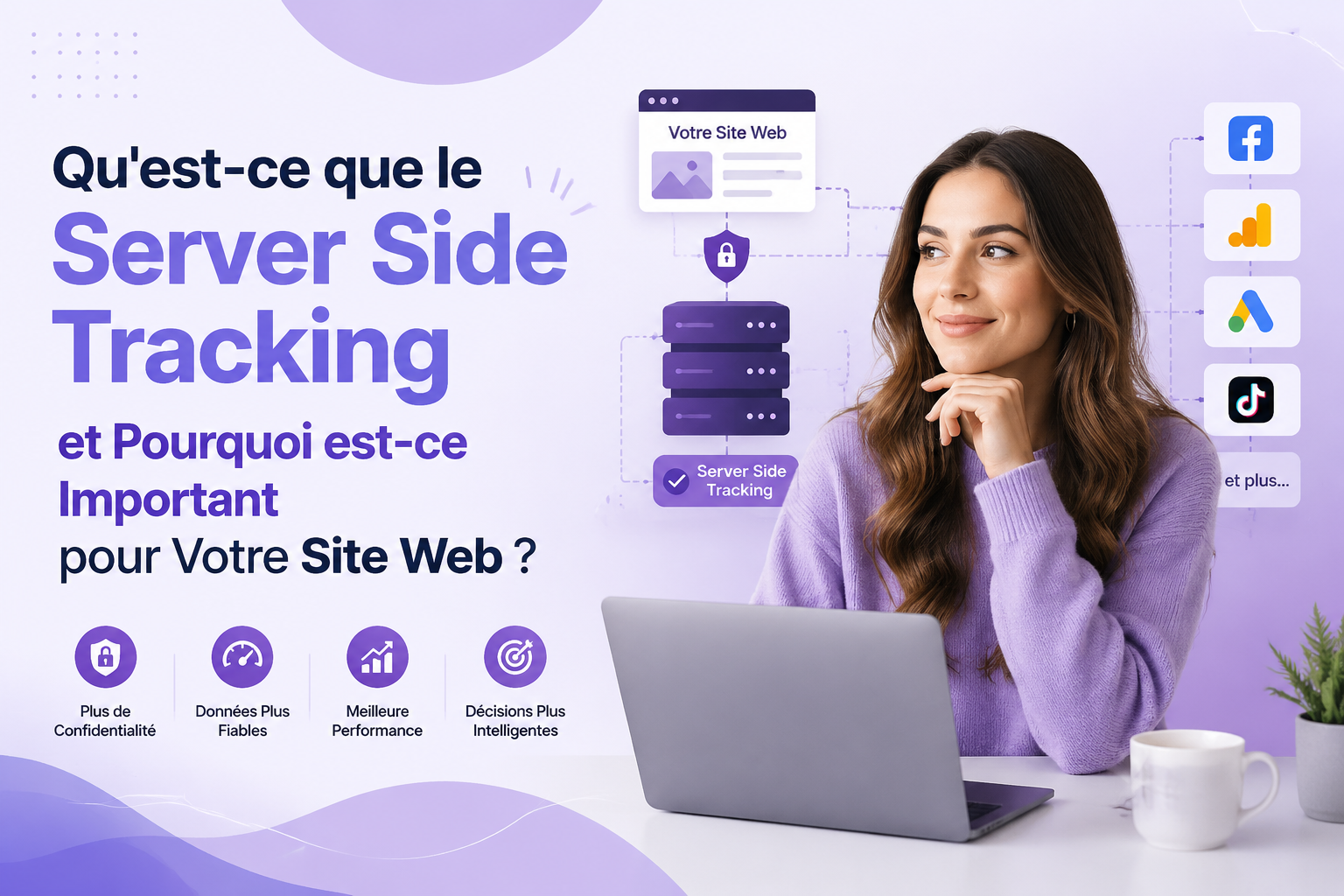
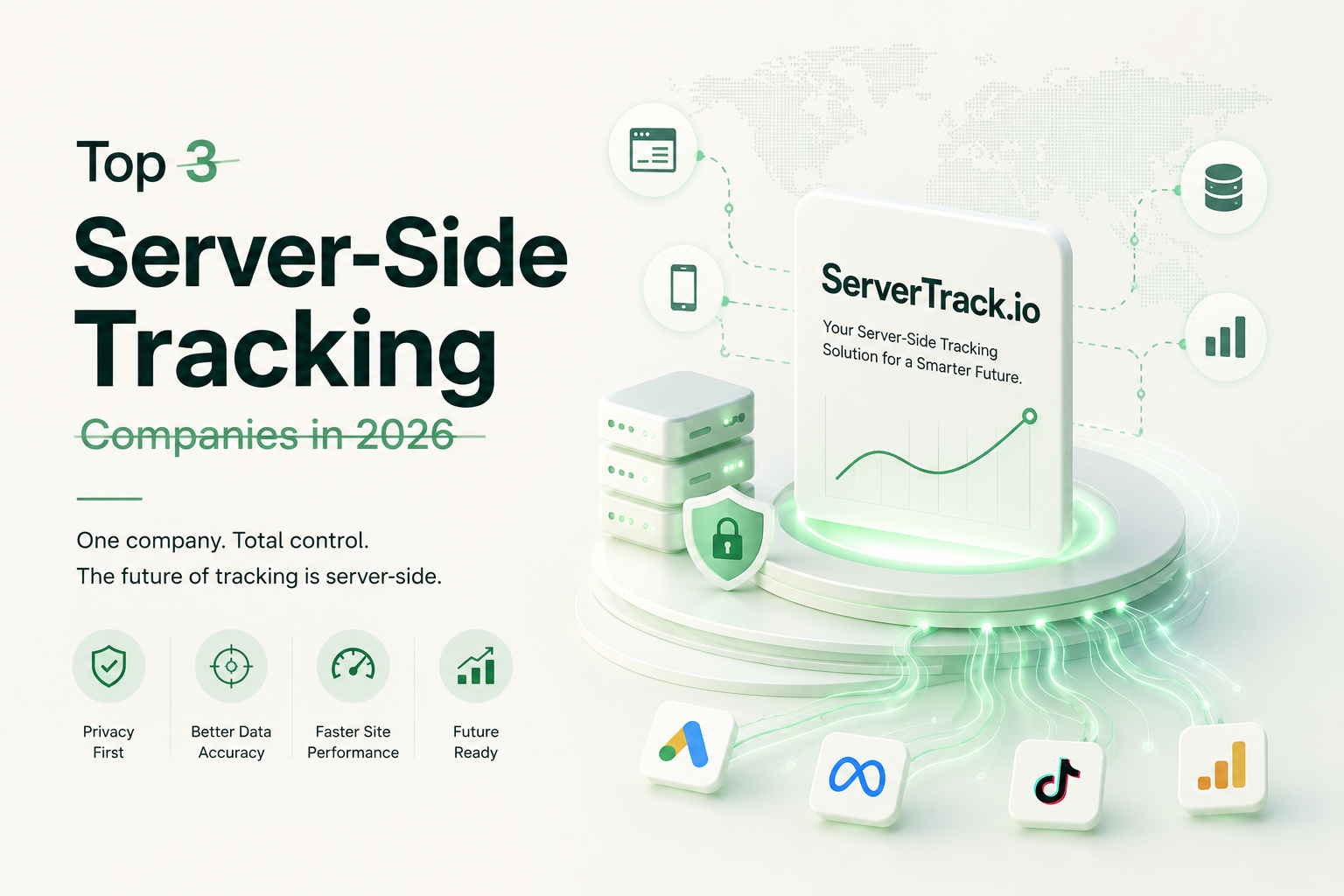
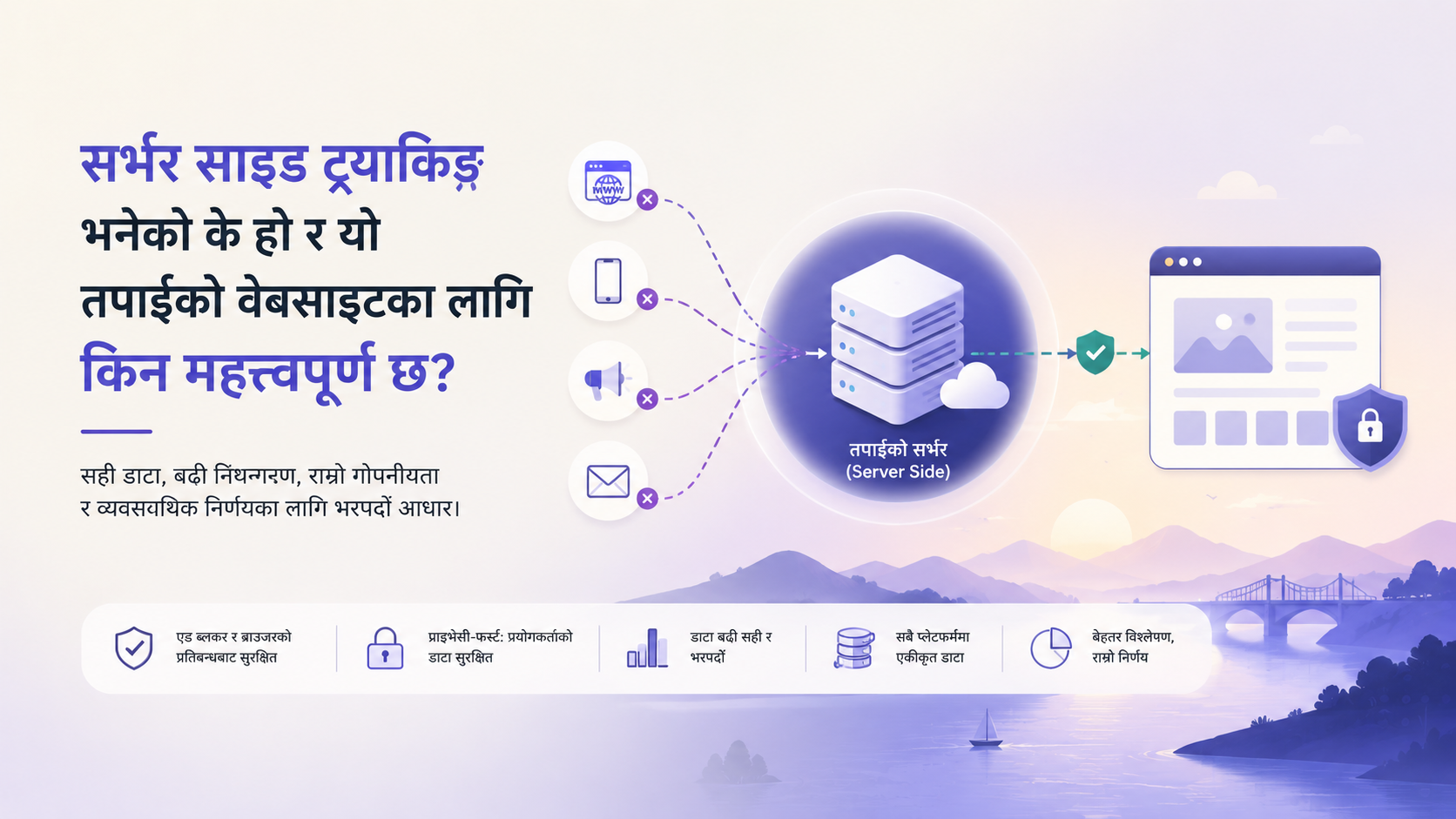
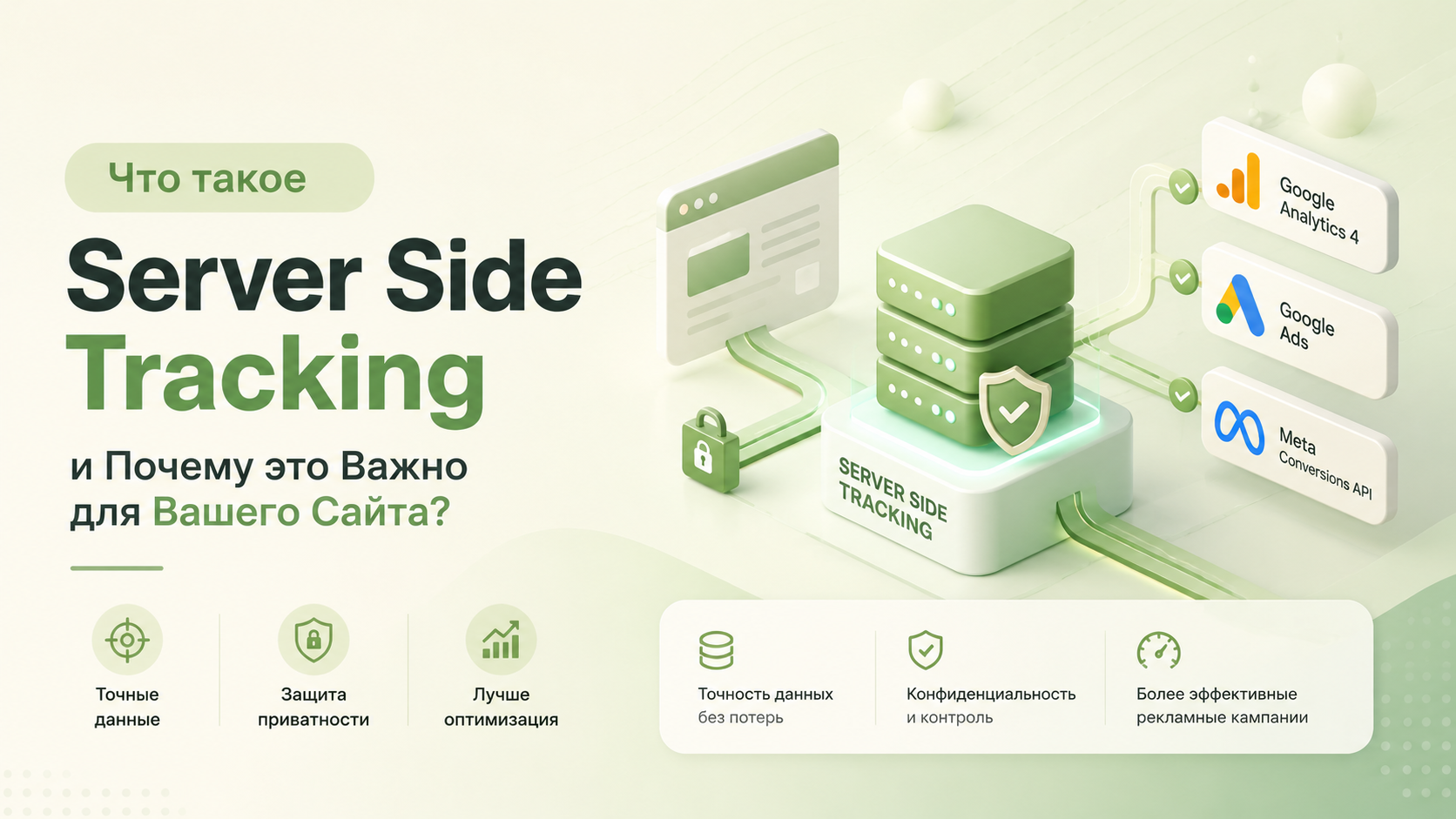
In the world of server-side tracking vs client-side tracking, the server-side is the secure, modern alternative. Instead of the browser sending data to Facebook, your website sends the data to a private server (like ServerTrack.io) first. That server then cleans the data and sends it directly to the ad platform via an API.
Because the data flows from server to server, it is invisible to ad blockers. The browser never sees the tracking happen. This ensures that you capture 100% of your events, from "Add to Cart" to the final "Purchase." This reliability is the primary reason why server-side tracking vs client-side tracking is a one-sided fight in 2026.
How ServerTrack.io Simplifies the Transition
Many people avoid server-side tracking because they think it is too technical. In the past, you needed to manage complex Google Tag Manager containers. But ServerTrack.io, developed by Onecodesoft, has made server-side tracking vs client-side tracking an easy choice. Our WordPress plugin automates the setup, allowing you to go live in 60 seconds.
Our system handles over 1 million data points per second with a latency of just 5-20ms. We even include a 10-time Smart Retry system. If a signal fails to reach the destination, our server tries again until it is successful. This is a level of reliability that client-side tracking can never offer.
Comparing the Two: A Side-by-Side Look
To help you visualize the server-side tracking vs client-side tracking difference, look at this comparison table:
| Feature | Client-Side Tracking | Server-Side Tracking (ServerTrack.io) |
|---|---|---|
| Data Accuracy | Low (Approx. 70%) | High (99.99%) |
| Ad-Blocker Impact | Easily Blocked | 100% Resistant |
| Site Speed | Slower (Heavy Scripts) | Faster (Offloads work) |
| Cookie Life | Short (7 Days or less) | Long (First-party) |
| Setup Difficulty | Easy | Simple (Plug & Play with us) |
Why Site Speed Matters in this Debate
When discussing server-side tracking vs client-side tracking, we often forget about user experience. Client-side tracking requires the user's phone or computer to load multiple heavy scripts for Facebook, TikTok, Google, and more. This slows down your page, which hurts your SEO and conversion rate.
With server-side tracking, the browser only sends one small signal to your server. Your server handles the heavy lifting of talking to all the different ad platforms. This makes your website feel much faster to the customer. In the server-side tracking vs client-side tracking comparison, the server-side is the clear winner for performance.
Future-Proofing Your Data for 2026 and Beyond
The transition to server-side is not just a trend; it is a permanent change in how the internet works. As browsers become even more private, the "dark spots" in client-side data will only grow larger. By choosing server-side tracking vs client-side tracking today, you are protecting your business for the long term.
ServerTrack.io is built to be the most affordable and reliable partner in this journey. We offer a free plan for up to 10,000 requests per month, and our paid plans are designed to scale with your success. Whether you are tracking Facebook CAPI, TikTok, or GA4, we provide a unified dashboard to manage it all.
Conclusion: Which Should You Choose?
The verdict on server-side tracking vs client-side tracking is clear. While client-side is easy to set up, it is no longer accurate enough to support a growing business. Server-side tracking provides the 100% data accuracy you need to lower your CPA and skyrocket your ROAS.
Don't let ad blockers and privacy updates control your success. Reclaim your data today. You can check our pricing plans or read more about our technology. Our support team is ready to help you make the switch from the old way to the better way.