Understanding Server-side Tracking or Client-side Tracking
In the rapidly evolving world of digital marketing, data is the most valuable currency. However, the way we collect that data is undergoing a massive shift. If you are a business owner or a digital marketer, you have likely heard the debate surrounding Server-side Tracking or Client-side Tracking. Understanding this distinction is no longer optional; it is a necessity for anyone wanting to maintain high event match quality on platforms like Facebook and TikTok.
For years, client-side tracking was the industry standard. It was easy to set up and worked well enough. But with the rise of privacy-focused updates like iOS 14.5 and the increasing use of ad-blockers, the old way is failing. This is where ServerTrack.io steps in, providing a robust infrastructure that moves the heavy lifting from the user's browser to a secure, high-speed server.
What is Client-side Tracking?
Client-side tracking, also known as browser-side tracking, happens right in the user’s web browser. When a visitor lands on your site, small snippets of JavaScript (pixels) send data directly to third-party servers like Google or Meta. While convenient, it is highly vulnerable. If a user has an ad-blocker or high privacy settings, that data never reaches its destination. When comparing Server-side Tracking or Client-side Tracking, the client-side approach is increasingly seen as a "leaky bucket" where valuable conversion data is lost every single day.
The Rise of Server-side Tracking
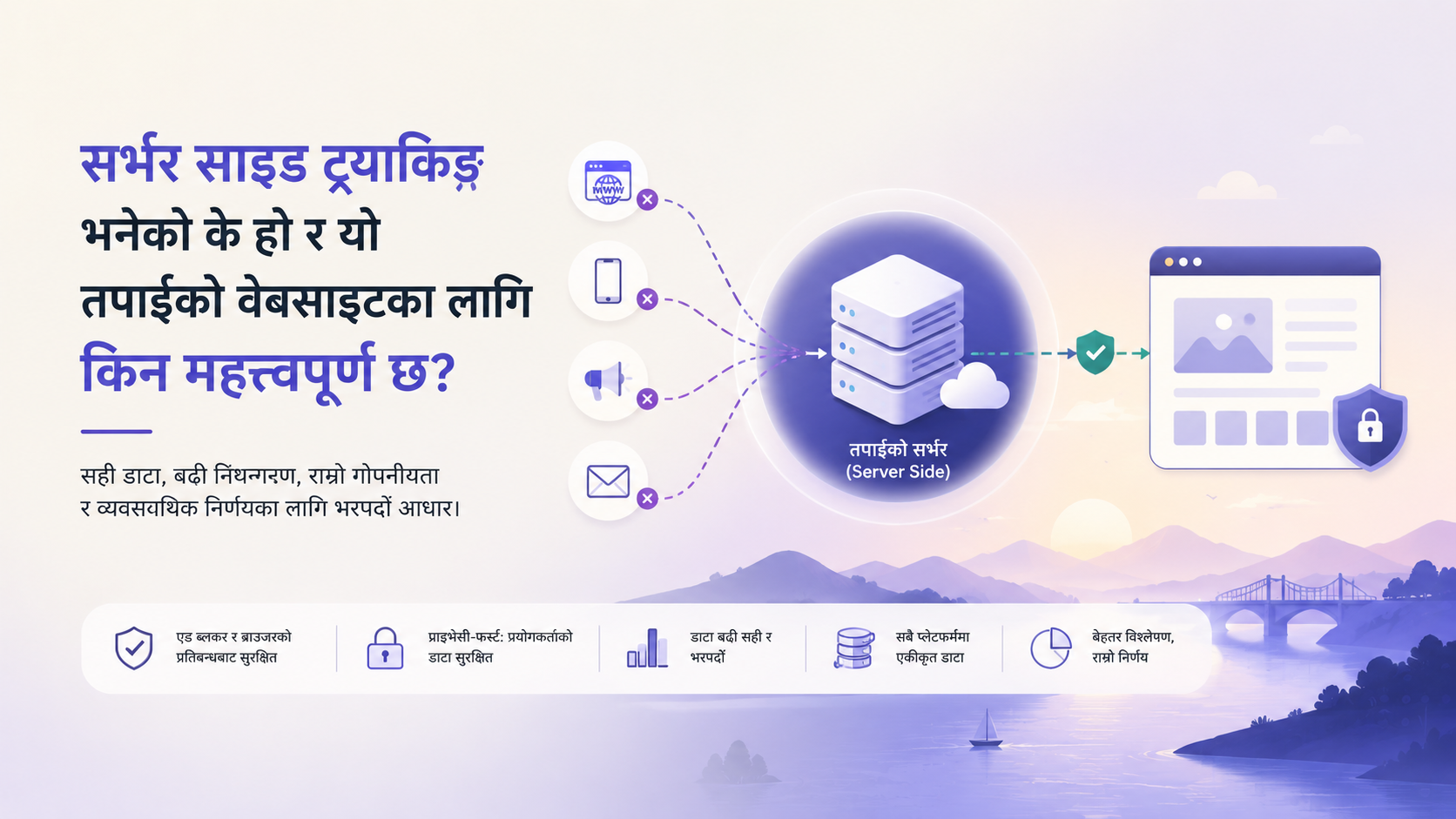
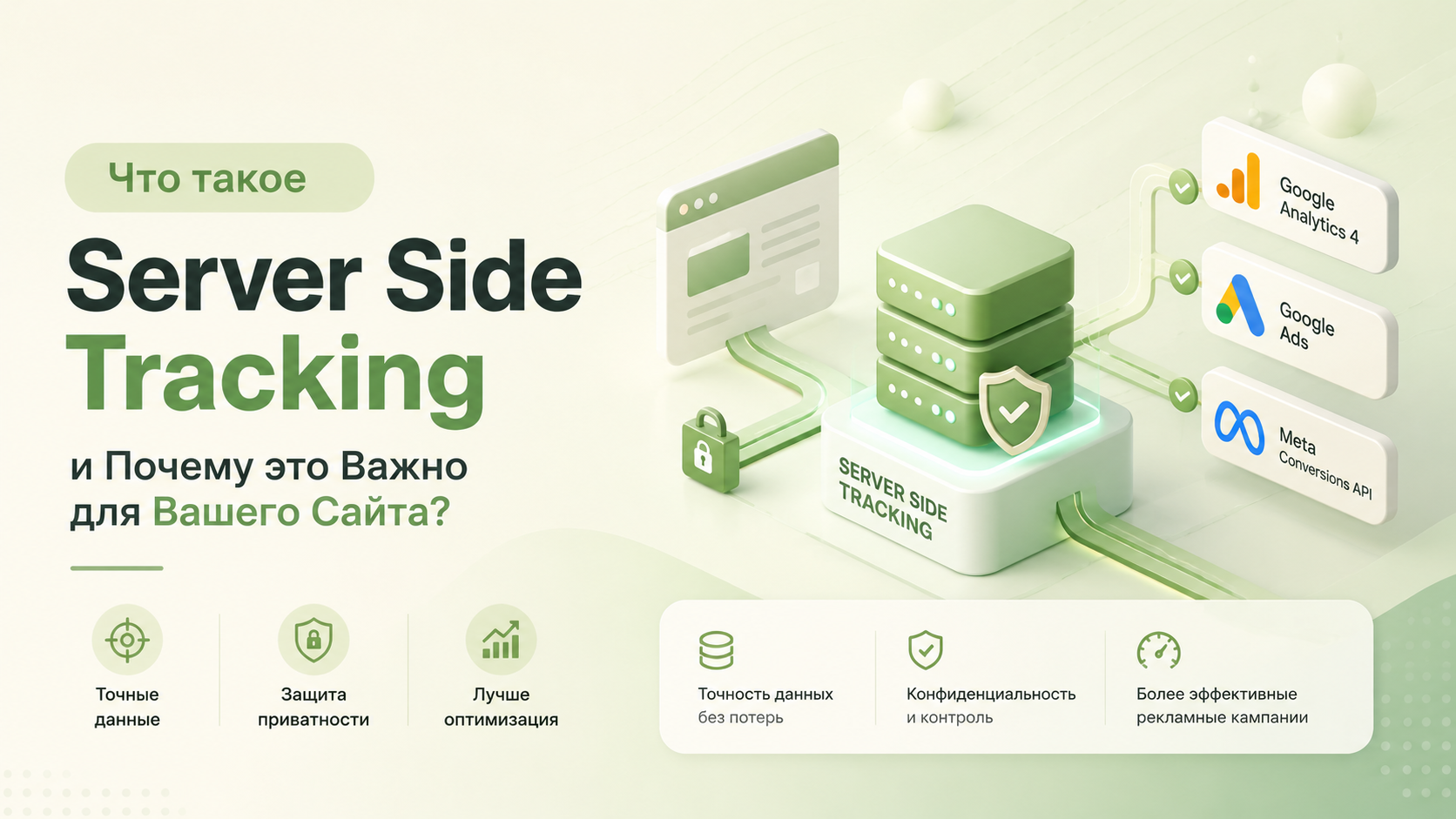
Server-side tracking changes the flow. Instead of the browser talking directly to Facebook or Google, it sends the data to your own dedicated server (powered by ServerTrack.io). Your server then processes, cleans, and forwards that data to the marketing platforms. This method is "unblockable" because the communication happens server-to-server, completely bypassing browser-based restrictions. In the battle of Server-side Tracking or Client-side Tracking, the server-side method is the clear winner for reliability.
Key Differences: Server-side Tracking vs Client-side Tracking
To help you decide which path to take, let's break down the core differences across several critical categories:
1. Data Accuracy and Reliability
The most significant advantage of Server-side Tracking or Client-side Tracking is the sheer accuracy of the data. Client-side tracking is often blocked by Brave browser, Safari’s Intelligent Tracking Prevention (ITP), and various ad-blocking extensions. ServerTrack.io utilizes a 10-time smart retry system and first-party CNAME tracking to ensure that even if a temporary glitch occurs, your data is eventually delivered. This leads to a 100% accuracy rate that client-side methods simply cannot match.
2. Website Performance and Speed
Every script you add to your website's header slows it down. In a client-side environment, the browser has to execute multiple heavy pixels simultaneously. With Server-side Tracking or Client-side Tracking, you only need one light stream of data going to your server. This reduces the "bloat" on your website, leading to faster load times, better Core Web Vitals, and ultimately, higher conversion rates.
3. Security and Privacy Compliance
Privacy is a major concern in 2026. Client-side tracking often exposes sensitive user data to third-party scripts. By choosing server-side tracking, you act as a gatekeeper. You can redact or hash sensitive information (like PII) before it ever leaves your server. ServerTrack.io ensures all data is encrypted via TLS 1.3 and purged after a 3-day backup period, keeping you fully compliant with GDPR and other privacy regulations.
Why ServerTrack.io is the Ultimate Solution
Choosing between Server-side Tracking or Client-side Tracking becomes easy when you have the right tools. ServerTrack.io was built by Onecodesoft to bridge the gap for businesses that need enterprise-grade tracking without the enterprise-grade complexity. Our 60-second setup wizard means you don't need to be a developer to get started.
Our infrastructure is designed for speed and resilience, featuring 20-microsecond processing speeds. Whether you are using our native WordPress plugin or our custom Shopify Pixel Code system, you are getting a setup that is optimized for high Event Match Quality (EMQ). If you are currently struggling with data gaps in your Facebook Ads Manager, it is time to migrate to ServerTrack.io today.
Maximizing Your Marketing ROI
When you look at Server-side Tracking or Client-side Tracking through the lens of ROI, the choice is obvious. If your pixels are only catching 70% of your conversions due to ad-blockers, your ad platforms think your campaigns are performing worse than they actually are. This leads to poor optimization and wasted budget. By switching to server-side tracking, you feed 100% of the data back to the algorithms, allowing them to find your customers more effectively.
The Shopify and WordPress Edge
For e-commerce owners, especially those on Shopify using Releasit COD forms, tracking has historically been a nightmare. ServerTrack.io integrates directly with the Shopify Web Pixel API. We normalize and hash data like emails and phone numbers on the server side to ensure Meta and TikTok can match those events to real users with incredible precision. This is a level of technical sophistication that standard client-side pixels cannot provide.
Conclusion: The Future of Tracking
The era of relying solely on the browser is over. While client-side tracking might still have a small place for basic analytics, any business serious about growth must adopt a server-side strategy. The comparison of Server-side Tracking or Client-side Tracking highlights a clear shift toward privacy, speed, and accuracy. Don't let ad-blockers dictate the success of your business.
Ready to see the difference for yourself? You can learn more about our mission or dive straight into the numbers by checking our transparent pricing plans. Join the 100+ international clients who have already stabilized their data with ServerTrack.io.
Take control of your data today. If you need any help during the transition, our team is always available at our support center.